Catherine Pierce Home

Category

Essays on Craft

19 articles

The Room Has a Request: Occasional Poems and the Discipline of Address

The Room Has a Request: Occasional Poems and the Discipline of Address

A poet’s notes on writing for weddings, funerals, retirements, and other once-in-a-lifetime rooms—how the requests arrive, what must be negotiated, and why occasional poetry demands both generosity and formal restraint. The essay considers sincerity without sentimentality, the ethics of borrowing someone else’s story, and practical guidance for writing students.
The Stranger’s Thumb: Notes on Reading Two-Star Reviews of My Own Poems

The Stranger’s Thumb: Notes on Reading Two-Star Reviews of My Own Poems

Public reviews of poetry books arrive with a different authority than workshop notes, and the two-star review is a particularly strange instructor. This essay sorts the terse, dismissive, and occasionally luminous complaints into useful signal, mere taste, and accidental insight—and proposes a practical protocol for receiving criticism without litigating it or obeying it.

A Stranger in Fifty Words: The Poet's Bio as Accidental Autobiography

A Stranger in Fifty Words: The Poet's Bio as Accidental Autobiography

Every poem, essay, and reading announcement arrives with a small third-person portrait attached. After revising roughly a hundred author bios, I began to see them less as credentials than as compressed acts of self-invention—and occasionally as the truest sentences I have written about my own work.

The Modifier Ledger: A Year of Drafts After the Adjectives Went Missing

The Modifier Ledger: A Year of Drafts After the Adjectives Went Missing

A year-long constraint experiment in which every adjective was marked and removed from a folder of poems, then read aloud to see what remained. The audit examines what modifiers conceal, how subtraction can clarify a poem's architecture, and how writing students can adapt the exercise at their own desks.

Hum and Whirr: Notes on the Coin-Operated Muse

Hum and Whirr: Notes on the Coin-Operated Muse

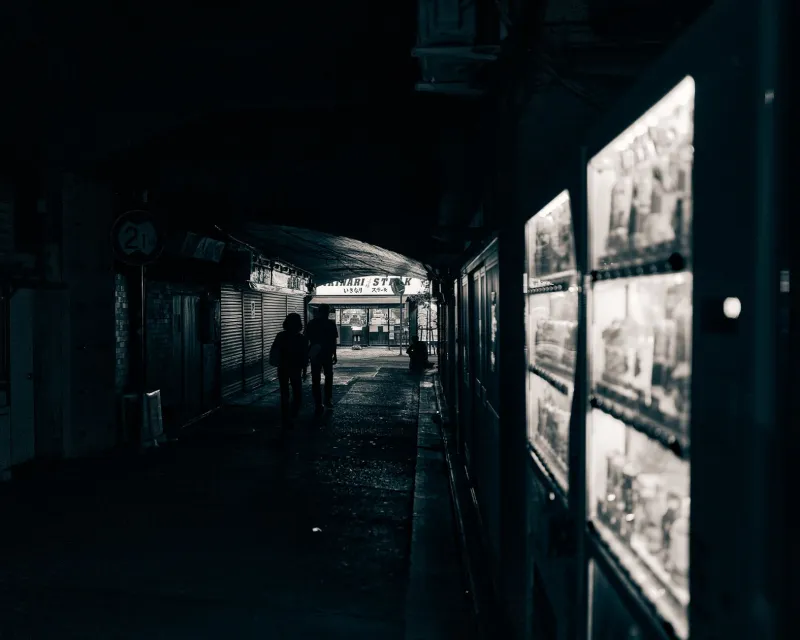
The ATM vestibule, the self-checkout lane, the snack machine blinking in a hospital corridor—these are the unexpected chapels of American solitude. An argument for the machine-adjacent spaces where the lyric mind does its quietest work.

Opening With the Sky: An Audit of My Weather-Logged Drafts

Opening With the Sky: An Audit of My Weather-Logged Drafts

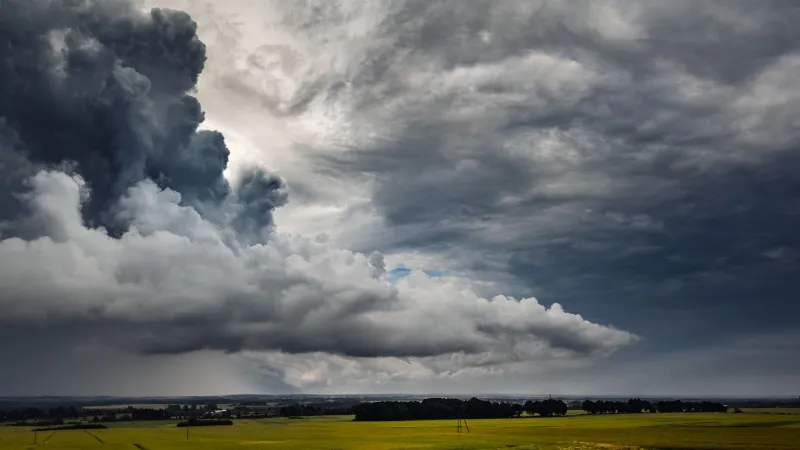
I counted every unpublished poem in my files that begins with the weather, and the number embarrassed me. This essay asks whether rain and snow are clichés to be abandoned or an inheritance we owe an honest accounting.

Emergency Verse: Why I Carry Three Poems in My Head Like Folded Twenties

Emergency Verse: Why I Carry Three Poems in My Head Like Folded Twenties

Memorized poems surface when we need them most—during the long wait for a root canal, the fluorescent purgatory of jury duty, the DMV line that refuses to move. This essay argues that memorization is a survival skill modern readers have let lapse, and offers a case for keeping a small canon in the body.

Shelved by Sorrow: What My Bookcases Know That I Don't

Shelved by Sorrow: What My Bookcases Know That I Don't

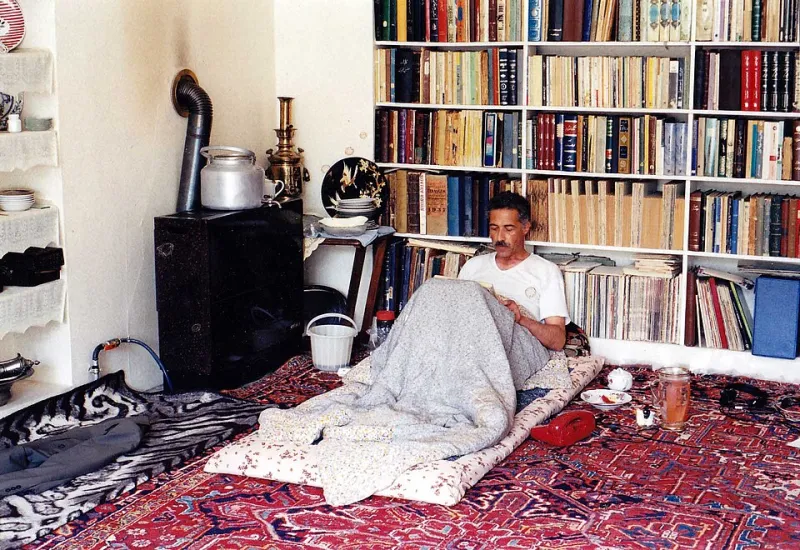
Somewhere between the alphabet and the Dewey Decimal System, poets develop their own private shelving logic — mine runs on grief, influence, and the weather of particular years. A craft essay on what our arrangements of books reveal about our interior maps.

Three Rooms, One Poem: Notes from the Strange Country Between Draft and Publication

Three Rooms, One Poem: Notes from the Strange Country Between Draft and Publication

A poem is not finished when we say it is; it is finished when strangers stop flinching in the wrong places. This essay follows a single sonnet through three workshop rooms — a university seminar, an online critique group, and a church-basement open mic — to ask when outside eyes sharpen a poem and when they sand away its strangeness.

Seven Words I Cannot Escape: An Audit of My Lexical Fingerprints

Seven Words I Cannot Escape: An Audit of My Lexical Fingerprints

A word-frequency count across my four collections revealed that a handful of nouns and verbs appear with an insistence that borders on compulsion. What I found wasn't laziness but a map of the subconscious — and a case for treating obsessions as signature rather than shame.

Five Poems That Broke Me Open: A Personal Map of Poetic Lineage

Five Poems That Broke Me Open: A Personal Map of Poetic Lineage

Every poet carries a private anthology—the handful of poems that permanently rearranged their sense of what a poem could do. Here are the five that rewired mine, with close readings and the stories of where I first met them, offered as a model for mapping your own lineage.

A Year in Stacks: Confessions of a Poet Who Cannot Stop Buying Books

A Year in Stacks: Confessions of a Poet Who Cannot Stop Buying Books

Every book on my desk earned its place — some through careful intention, others by accident of a rainy afternoon in a Mississippi bookstore. A reflection on how reading feeds the writing life without swallowing it whole, plus a tour of the ten titles currently holding down my writing desk.